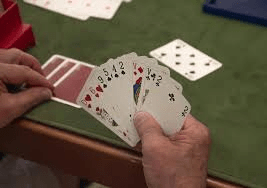
Bridge is a card game that has captivated Freecreditmalaysia99 millions of players worldwide for over a century. Known for its complexity, strategic depth, and social engagement, Bridge is more than just a game—it’s a challenge for the mind and a way to build camaraderie with friends or strangers. However, as exciting as Bridge can be, it can also be overwhelming for beginners. The rules can seem intricate, the strategies daunting, and the lingo perplexing.
If you’re new to the game and want to learn how to play Bridge, this beginner’s guide will take you through the basics, step-by-step, and help you get started on your journey to mastering this fascinating card game.
- The Basics of Bridge
At its core, Bridge is a trick-taking game played with a standard deck of 52 cards. The game is usually played by four players, who form two partnerships. Each player sits opposite their partner, creating two teams of two. The goal of the game is to score points by winning tricks, with the ultimate aim of accumulating the highest score.
Key Terms in Bridge:
Trick: A single round of play where each player plays one card. The highest card of the lead suit, or the highest trump card, wins the trick.
Trump Suit: A suit that has the power to beat other suits. If a trump suit is declared, cards from that suit are the highest-ranking cards for the hand.
Bid: An offer to take a specific number of tricks, made by one of the players. The bid also includes the suit to be used as trump or the declaration of no trump (NT).
Contract: The final agreed-upon bid between the two partnerships that determines how many tricks the declaring team has promised to win.
Declarer: The player who wins the bid for their partnership and is responsible for playing the hand. The declarer’s goal is to win the required number of tricks according to the bid.
- Understanding the Setup
A Bridge game is divided into two parts: the auction and the play. The auction is where players bid on how many tricks their team can win, while the play is where players actually play out the hand according to the final contract.
Step 1: The Deal
Each player is dealt 13 cards from a shuffled deck. This means that every card in the deck is dealt to a player, and no card is left over.
Cards are typically dealt in a clockwise rotation, one card at a time.
Step 2: The Auction
The auction determines the contract (i.e., how many tricks the declaring team must win) and whether there will be a trump suit or if the hand will be played with no trump (NT).
The player to the dealer’s left starts the bidding, and each player has the option to either pass, bid a number of tricks, or double the opponent’s bid.
The first player to bid gets to propose the number of tricks and the suit they believe their team can win. For example, if a player says, “One Heart,” it means they are promising to win 7 tricks (6 tricks plus the 1 bid) with Hearts as the trump suit.
The bidding continues around the table until three consecutive players pass. The final bid becomes the contract.
The highest bid determines which suit will be the trump or if the hand will be played without a trump suit (NT). The declarer is the player on the team who wins the contract, and they will play the hand.
- The Play of the Hand
Once the contract is set, the declarer starts the play by leading the first card. The objective for the declarer is to win the required number of tricks.
The player to the declarer’s left plays first, and then each player follows suit if possible. If a player cannot follow suit (because they don’t have any cards from that suit), they can play any other card.
If there’s a trump suit, any card from that suit can “trump” (or beat) a higher card from any other suit.
The highest card from the lead suit wins the trick, unless a trump card is played, in which case the highest trump card wins.
The play continues until all 13 tricks have been played. The declarer’s goal is to win enough tricks to fulfill the contract they bid on.
- Scoring in Bridge
The scoring system in Bridge can be a bit tricky, but understanding the basics will help you keep track of the game.
Points for Winning Tricks:
For each trick your partnership wins, you earn points. The points vary depending on the suit of the contract.
Clubs and Diamonds: 20 points per trick.
Hearts and Spades: 30 points per trick.
No Trump (NT): 40 points for the first trick, and 30 points for each additional trick.
Additional Scoring:
Overtricks: Any tricks won beyond the bid (e.g., if the declarer bids 4 Hearts but wins 5 tricks) are worth extra points.
Doubles: If a player makes a bid and their opponents “double” the bid, they must fulfill the contract with extra pressure. If they succeed, they score more points.
Game Points and Slam Points: If a partnership wins a game by accumulating enough points, they earn additional bonuses. A slam (winning 12 or 13 tricks) can provide even greater rewards.
Example:
If a team wins a contract of 4 Spades and wins 10 tricks (4 Spades bid + 6 additional tricks), they would earn 30 points per trick for Hearts/Spades, totaling 120 points (4 tricks * 30 points). They would also earn extra for overtricks or bonuses based on the type of contract.
- Key Bridge Tips for Beginners
Bridge can be a complex game to master, but with practice and a strategic mindset, you’ll improve. Here are some essential tips for beginners:
Tip 1: Learn the Bidding System
Understanding the basics of bidding is crucial in Bridge. The more you learn about the different types of bids (like opening bids, response bids, and suit preferences), the better you’ll be at communicating with your partner and making informed decisions.
Tip 2: Understand the Importance of Position
Your position relative to the dealer can greatly influence your strategy. The player who is the dealer has a small advantage in that they get the first opportunity to bid, but each position in the rotation offers its own strategic considerations.
Tip 3: Play Conservatively When Uncertain
If you’re unsure of your hand’s strength, it’s better to pass than to risk overbidding. The auction system is designed to allow players to communicate their card strength and their willingness to take risks.
Tip 4: Communicate with Your Partner
In Bridge, you are not playing alone; your partner’s actions and bids provide valuable information. Pay attention to their bidding patterns, and try to infer what they might be signaling with each move. The better you communicate through your bids and plays, the stronger your partnership will be.
Tip 5: Practice, Practice, Practice
Like any complex game, Bridge requires practice. Start by playing with friends or joining a Bridge club for beginners. The more you play, the better you’ll understand the nuances of the game, and eventually, you’ll start thinking several moves ahead.
- Conclusion
Bridge is a challenging yet highly rewarding card game that requires skill, strategy, and patience. Although the rules may seem complex at first, learning the basics of the deal, bidding, play, and scoring will give you a solid foundation. With practice, you’ll be able to enjoy the intellectual thrill of Bridge and build deeper connections with your teammates.
 Site Title